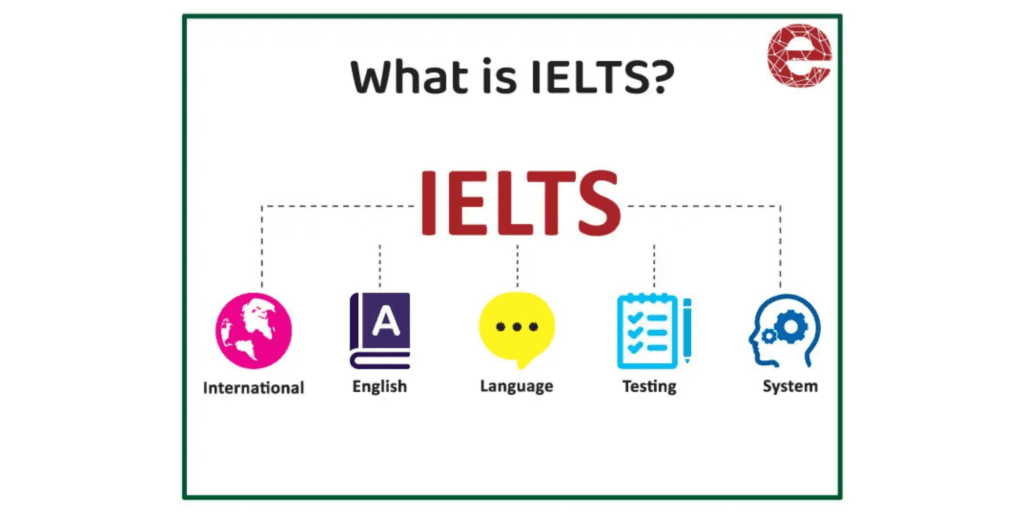
The IELTS Improvement Examination is simply where candidates take the International English Language Testing System or again to improve their exam scores. The first results of the exam do not meet the required band score that many candidates desire for their universities, jobs, or migration applications. As an important standardized test for measuring one’s proficiency in English, getting the requisite test score aligned with the needs of institutions and authorities is at stake.
Candidates can retake the IELTS Academic or General Training test if they are not satisfied with their scores. In addition, selected countries now offer the One Skill Retake (OSR) option. As explained in this guide to the exam for IELTS, eligible candidates can retake only one section—Listening, Reading, Writing, or Speaking—instead of the entire test.
To improve your exam for IELTS score, focus on regular practice, review your previous mistakes, and strengthen your language skills. Furthermore, understanding the test format and scoring system will help you prepare more effectively. With proper preparation and consistent practice, you can improve your performance and achieve your target band score.
There are several reasons why candidates choose to retake the IELTS exam to improve their scores:
Discover essential tips and strategies to excel in the IELTS exam and boost your score effectively.
1. Academic and Immigration Considerations
Many universities, employers, and immigration authorities require a minimum score in the exam for IELTS. If your score is below the requirement, you may miss opportunities for admission, employment, or a visa. Retaking the exam for IELTS gives you another chance to achieve your target band score and reach your goals.
2. Boosting Band Scores for Better Opportunities
A higher score in the exam for IELTS can improve your chances of receiving scholarships, securing jobs, and strengthening your study abroad applications. In addition, many universities require a band score of 7.0 or higher. Therefore, aiming for a better score can help you access more opportunities.
3. Confidence and Performance Boost
Many candidates feel nervous or unprepared during their first exam for IELTS. However, a retake helps build confidence and improves familiarity with the test format. As a result, you can reduce anxiety, correct previous mistakes, strengthen your test strategy, and perform better on your next attempt.
4. Possibilities of the One Skill Retake (OSR)
For candidates who perform well in three sections but score lower in one, the One Skill Retake is an excellent option. Instead of retaking the entire exam for IELTS, they can focus on improving only the section that needs attention. As a result, they save time, reduce effort, and increase their chances of achieving their target band score.
5. Improvement in English Skills
Preparing for the exam for IELTS is one of the best ways to improve your English skills. Regular practice in Reading, Writing, Listening, and Speaking strengthens your language proficiency and increases your chances of achieving a higher band score. Moreover, these skills benefit you in both academic and professional environments.
For example, many candidates retake the exam for IELTS to meet the admission requirements of their preferred universities. With consistent practice, a structured study plan, and focused preparation, you can improve your performance and achieve your target band score.
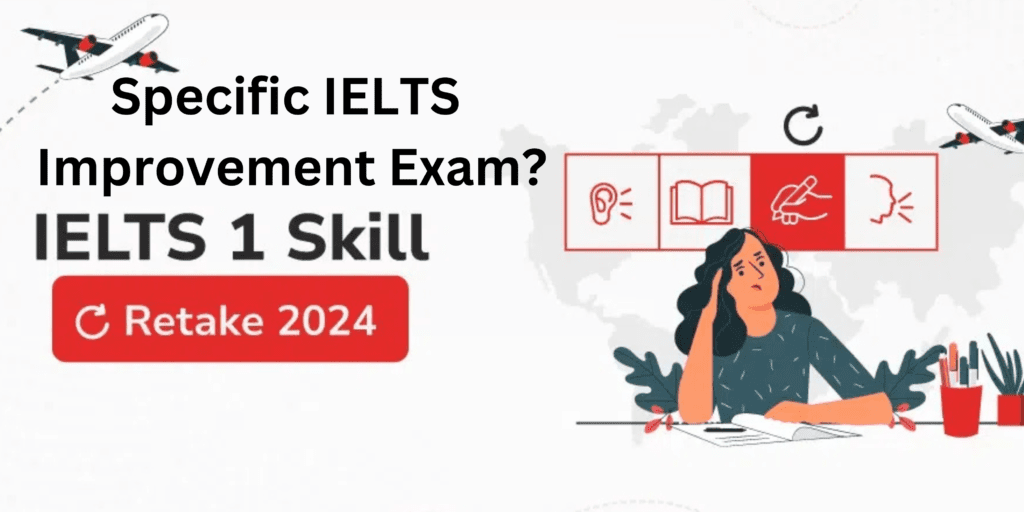
Is There a Specific IELTS Improvement Exam?
The exam for IELTS improvement is not a separate test. Instead, candidates can retake the IELTS Academic or General Training test. This option is available if they are unhappy with their previous score. By registering again, they get another chance. They can improve their performance and achieve their target band score.
In addition, selected test centres now offer the One Skill Retake (OSR) option. Eligible candidates can retake only one section of the exam. They can choose Listening, Reading, Writing, or Speaking. Therefore, they do not need to retake the entire exam. As a result, they save time, effort, and money. They can also improve their overall band score.
Key Differences Between Full Retake and One Skill Retake (OSR)
Complete IELTS Retake: Candidates retake all four sections of the exam for IELTS. These include Listening, Reading, Writing, and Speaking. This option suits candidates who need higher scores in multiple modules.
One Skill Retake (OSR): Candidates retake only one section of the exam for IELTS. This option is ideal for those who need to improve a single module.
How to Register to Exam For IELTS Retake
Candidates should visit the official website or contact their preferred test centre to register for the exam for IELTS retake. For a full retake, they must book all four sections again. If the One Skill Retake is available, they can choose to retake only one module. Finally, candidates should prepare thoroughly to improve their chances of achieving a higher band score.
Factors to Consider Before Retaking IELTS
Time and Cost: Retaking the exam for IELTS requires additional time and money. Therefore, decide whether you need a full retake or only a One Skill Retake.
Score Requirements: Before booking the exam for IELTS, check the minimum band score required by your university, employer, or immigration program.
Preparation Strategy: Identify your weak areas and focus on improving them. In addition, use practice tests, expert guidance, or self-study to boost your performance.
While there no separate IELTS Improvement Exam, Students can follow focused preparation, get expert guidance and apply test-taking strategies to substantially improve the final score. Whether they go for a full retake or One Skill Retake, structured approach to studying can enable candidates to achieve desired IELTS band scores.
How to Improve Your IELTS Score Before Retaking
If you plan to retake the exam for IELTS, review your previous results carefully. First, identify the areas that need improvement. Then, create a study plan based on your weaknesses. If you believe your score does not reflect your performance, consider requesting an Enquiry on Results (EOR).
Furthermore, practise Reading, Writing, Listening, and Speaking every day. Watch English movies and listen to podcasts regularly. Also, read different English materials to improve comprehension. Take full-length practice tests under exam conditions. This improves your speed and accuracy. If needed, join an IELTS preparation course. You can also work with a qualified tutor. Expert guidance and feedback can improve your exam for IELTS performance.
Analyze Your Previous Performance
Before retaking the exam for IELTS, carefully analyze your previous performance. Review your test results to identify the areas that need improvement. If you scored lower in a particular module, understanding the reasons behind your performance will help you prepare more effectively.
In addition, if you believe your Writing or Speaking score does not reflect your actual performance, you can request an Enquiry on Results (EOR). This allows qualified examiners to reassess your test.
Furthermore, keep a study journal to record common mistakes, tutor feedback, and your progress over time. As a result, you can create a focused study plan based on your weaknesses and improve your chances of achieving a higher score in the exam for IELTS.
Improve Your English Skills
Improving your overall English skills can significantly increase your chances of achieving a higher score in the exam for IELTS. Therefore, practise Reading, Writing, Listening, and Speaking every day while giving extra attention to the areas that need improvement.
Read newspapers, blogs, and academic articles to strengthen your vocabulary and reading comprehension. In addition, watch English movies and listen to podcasts to improve your listening skills. You can also join English discussion groups or practise with fluent speakers to build confidence and improve your speaking fluency. Record your voice regularly to identify areas for improvement.
Furthermore, practise writing essays, reports, and letters on different topics. Focus on improving your grammar, vocabulary, coherence, and sentence structure. Finally, seek feedback from tutors or language partners, as their suggestions can help you write more clearly and perform better in the exam for IELTS.
Take Practice Tests
One of the best ways to prepare for the exam for IELTS is by taking full-length practice tests under real exam conditions. This helps you improve your time management and become familiar with the test format.
Keep track of your practice test scores to measure your progress and adjust your study plan when needed. In addition, review your mistakes carefully and focus on improving your weaker areas.
Furthermore, use official IELTS practice materials, online mock tests, sample answers, and examiner feedback. These resources help you understand the exam standards and build confidence. As a result, regular mock tests prepare you for the pressure of the real exam and improve your performance in the exam for IELTS.
Enroll in Exam For IELTS Preparation Courses.
1. Analyze Your Previous Performance
Before retaking the exam for IELTS, carefully analyze your previous performance. Review your test results and identify the areas that need improvement. If you struggled in a particular module, understanding why you received that score will help you prepare more effectively.
In addition, if you believe your Writing or Speaking score did not reflect your actual performance, you can request an Enquiry on Results (EOR). This allows IELTS examiners to reassess your test.
Furthermore, keep a study diary to record common mistakes, tutor feedback, and your progress over time. As a result, you can create a structured study plan that targets your weaknesses and improves your performance in the exam for IELTS.
2.Improve Your English Skills
Before retaking the exam for IELTS, analyze your previous performance carefully. Review your test results to identify the areas that need improvement. If you found a particular module challenging, understand why you received that score and focus your preparation on that specific skill.
In addition, if you believe your Writing or Speaking score does not accurately reflect your performance, you can request an Enquiry on Results (EOR). This allows IELTS examiners to reassess your test.
Furthermore, maintain a study diary to record common mistakes, tutor feedback, and your progress over time. As a result, you can create a structured study plan that targets your weak areas and helps you improve your performance in the exam for IELTS.
3.Take Practice Tests
One of the best ways to prepare for the exam for IELTS is by taking full-length practice tests under real exam conditions. This helps you improve your time management and become familiar with the test format. In addition, keep track of your practice test scores to measure your progress and adjust your study plan accordingly. Reviewing your mistakes and focusing on weaker areas will help you improve consistently.
Furthermore, use official IELTS practice materials, online mock tests, sample answers, and examiner feedback to strengthen your preparation. These resources help you understand the exam standards and build confidence. As a result, regular mock tests prepare you for the pressure of the real exam and improve your performance in the exam for IELTS.
4.Enroll in IELTS Preparation Courses
Joining an IELTS preparation course can help you prepare for the exam for IELTS in a structured and effective way. Both online and offline courses provide expert guidance, quality study materials, and mock tests to improve your performance. In addition, experienced tutors can identify your weaknesses and recommend strategies to strengthen them. You can also benefit from workshops and study groups that encourage regular practice and discussion.
Furthermore, choosing the right IELTS preparation course gives you access to targeted exercises, expert feedback, and proven study techniques. Many online platforms also offer self-paced learning, allowing you to prepare for the exam for IELTS at a time that suits your schedule while working toward your target band score.
Use IELTS-Specific Strategies
Enrolling in an IELTS preparation course is an effective way to prepare for the exam for IELTS with a structured study plan and expert guidance. Many online and offline courses teach everything from the basics and include mock tests to improve your performance. In addition, experienced tutors can identify your weak areas and provide personalized strategies for improvement. You can also join workshops or study groups to strengthen your understanding through discussion and practice.
Furthermore, choosing the right IELTS preparation course gives you access to quality study materials, targeted exercises, and professional feedback to help improve your band score. Many online platforms also offer self-paced courses, allowing you to prepare for the exam for IELTS at your own convenience.
Conclusion in Exam For IELTS
If you want a higher score in the exam for IELTS, create a focused preparation plan before your retake. Whether you choose the full IELTS test or the One Skill Retake (OSR), concentrate on improving the skill that needs the most attention. Consistent practice, targeted learning, and regular revision will help you achieve better results.
Before booking your retake, review your previous scores and identify your weak areas. In addition, seek feedback from an experienced tutor, especially for the Writing and Speaking sections. Instead of following a general study plan, create one that targets your specific weaknesses.
Furthermore, practise full-length mock tests under real exam conditions to improve your time management and reduce test-day anxiety. Strengthen your English by reading newspapers, watching educational videos, and speaking English regularly. Finally, understand the assessment criteria and use section-specific strategies, such as skimming and scanning for Reading, structured responses for Writing, active listening for Listening, and fluency exercises for Speaking. These techniques can significantly improve your performance in the exam for IELTS.
Are you prepared to score higher in Exam For IELTS?
Then do not waste any time; it’s time to get started studying for an IELTS-improvement examination with developed study plans; expert guidance; and focused practice. It just got made shorter to reach your dream IELTS score. Pick the right way and put in the effort, and you will be on your way to acquiring your score for academic, professional, or immigration purposes. Just stay systematic, consistent, and positive!
Frequently Asked Questions (FAQs)
1. What is the IELTS Improvement Exam?
The IELTS Improvement Exam is not a separate IELTS test. It refers to retaking the IELTS Academic or General Training test, or using the One Skill Retake option where available, to improve your band score.
2. Can I retake only one section of the IELTS exam?
Yes. Eligible candidates can choose the One Skill Retake (OSR) option at participating test centres. This allows you to retake only one module—Listening, Reading, Writing, or Speaking.
3. Who can apply for the IELTS One Skill Retake?
You must have taken IELTS on Computer at a participating test centre and meet the eligibility requirements. The retake must also be booked within the allowed time after your original test.
4. Is the One Skill Retake available for paper-based IELTS?
No. Currently, the One Skill Retake is available only for IELTS on Computer at selected test centres.
5. Should I choose a full IELTS retake or One Skill Retake?
If you need to improve only one module, the One Skill Retake is usually the better option. However, if several sections need improvement, retaking the full IELTS exam may be more suitable.
6. How can I improve my IELTS score before retaking the exam?
Review your previous results, identify weak areas, take regular mock tests, improve your English skills, and seek guidance from an experienced IELTS trainer if needed.