
Introduction
Table of Contents
Toggle
Have you ever searched for yourself on Google? I mean, seriously, go ahead and search yourself. What did you find? Your LinkedIn? A Facebook post from years ago? A blurry picture from a college party? Or… nothing at all?This is the world of personal branding, where everything — your reputation online, your energy, even your voice — matters. It does not matter if you’re a student, a freelancer, a coach, or a CEO — you have a personal brand. The question is, is the personal brand working for you…or against you?This is where a personal branding course comes in. But what’s the big deal?! Is it only about nice social media accounts? Or is there something more to it?Let’s break down everything you need to know about personal branding courses — in a way that makes sense, is grounded, and lets you figure out if it’s an investment of your time and worthy.
First Things First: What is Personal Branding?
Before we dive into the course section, let’s get straight on what personal branding even is. Personal branding is the deliberate and thoughtful attempt to build and shape public opinion of you. It’s how you share your story, your values, your abilities, and your character — both on- and offline. It’s what others say about you when you’re not in the room. Consider individuals such as Oprah, Elon Musk, or even your favorite YouTuber. Why do you subscribe to them? Because of their brand. Their story, their personality. Now here’s the twist: you don’t have to be famous to create a personal brand. You just have to be clear, consistent, and intentional.
What is a Personal Branding Course?
A personal branding course is a formal training course that assists you in:
- Finding out who you are (your inner strengths, values, and passions)
- Build your distinctive personal brand story.
- Create a genuine online presence.
- Enhance your communication, confidence, and visibility.
- Establish credibility and trust within your field.
- Develop consistency across channels (LinkedIn, Instagram, website, resume, etc.).
No matter whether you’re launching a career, scaling a business, or establishing yourself as a thought leader, personal branding courses assist you in becoming recognized for something — and drawing the right people and opportunities to you because of it.
What is included in a Personal Branding Course?
Here’s what a typical course would cover (and what you should be looking for):
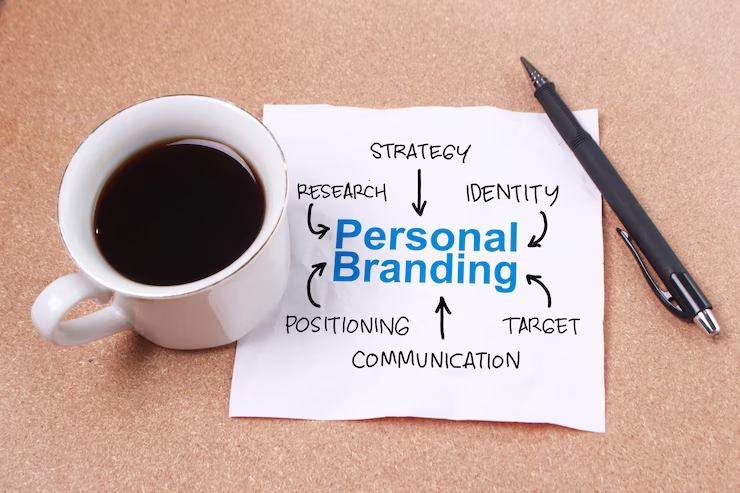
1. Self-Discovery & Identity in Personal Branding
Here’s what you’ll discover in a personal branding course:
Your strengths and areas for improvement
Your passions, skills, and core values
Your purpose—your “why”
Your personal vision and mission
Most importantly, personal branding starts with self-awareness. After all, you cannot build a strong brand without understanding who you are. Therefore, this stage helps you gain clarity about your identity, define what makes you unique, and communicate it authentically to others. As a result, you can build a personal brand that truly reflects who you are.
2. Your Brand Story in Personal Branding
Here comes the exciting part—you’ll learn how to turn your story into a strength.
In a personal branding course, you’ll learn to:
Share your story in a compelling way
Identify what makes your journey unique
Connect with people on a deeper level
Turn your experiences into opportunities
Most importantly, people remember stories, not resumes. Therefore, a strong personal story helps you stand out, build trust, and create lasting connections. As a result, you become more relatable, authentic, and memorable.
3. Visual & Verbal Identity
This section focuses on your professional image and personal identity. You’ll learn how to create:
A professional bio and elevator pitch
A consistent tone, voice, and communication style
A visual identity, including colors, design elements, or social media aesthetics (optional)
Professional and consistent profiles across platforms
Most importantly, first impressions matter. Therefore, a clear and consistent personal brand helps build trust and credibility. As a result, people are more likely to remember you, connect with you, and view you as a professional.
4. Establishing Your Digital Presence
We’re now entering the digital side of personal branding. In this section, you’ll learn how to:
Optimize your LinkedIn profile, Instagram presence, and personal website
Create engaging content such as posts, videos, and blogs
Understand SEO basics and build a strong online presence
Grow your audience organically and consistently
Most importantly, your online presence shapes how people discover and perceive you. Therefore, a strong digital brand helps you increase visibility, build credibility, and connect with the right audience. As a result, you can create opportunities without needing to be active on every platform.
5. Networking & Communication
This section goes beyond social media posts. You’ll learn how to:
Communicate with confidence and clarity
Build genuine professional relationships
Handle interviews, collaborations, and public speaking
Create trust through authentic interactions
Most importantly, personal branding is not about self-promotion—it’s about building meaningful relationships. Therefore, strong communication helps bridge the gap between who you are and how others perceive you. As a result, you can build credibility, expand your network, and create lasting opportunities.
6. Strategy & Monetization in Personal Branding
A few advanced personal branding courses also cover:
Turning your personal brand into a business
Creating offers such as coaching, services, or products
Building collaborations, sponsorships, and brand partnerships
Improving time management, productivity, and systems
Most importantly, personal branding is not about becoming famous. Instead, it is about creating value, building trust, and using your expertise to make a meaningful impact. As a result, you can attract the right opportunities while staying authentic to who you are.
Who Needs a Course in Personal Branding?
The short answer: almost everyone.
In particular, it can benefit:
Students & Job Seekers — Build a stronger resume, perform better in interviews, and stand out to employers.
Entrepreneurs & Freelancers — Increase credibility, attract clients, and grow your business.
Coaches, Trainers & Consultants — Establish yourself as a trusted expert in your field.
Creators & Influencers — Build an authentic presence and grow with purpose.
Professionals — Position yourself for promotions, leadership roles, and speaking opportunities.
Career Changers — Reinvent your professional identity with clarity and confidence.
Ultimately, personal branding helps you communicate your value, build trust, and create opportunities, regardless of your career stage.
What will you get from a Personal Branding course?
Let’s be real about the benefits — not theory.
1. Clarity

You’ll finally gain clarity about what you believe in—and how to communicate it effectively.
Whether you’re building a business, pursuing your dream career, or finding your voice, personal branding helps you understand your strengths, values, and unique qualities. As a result, you stop trying to fit in and start presenting yourself authentically.
In a personal branding course, you’ll learn to define your message and communicate it with confidence across platforms and situations. Furthermore, this clarity makes decision-making easier because you understand what aligns with your goals and values.
Ultimately, personal branding is about more than visibility. It helps you become more focused, confident, and intentional. When you are clear about who you are, others can understand and trust you more easily. Consequently, your conversations, confidence, and career begin to grow naturally.
2. Confidence

When your inner self aligns with how you present yourself to the world, confidence grows naturally. After all, true confidence comes from authenticity, not pretending to be someone else. This is one of the most valuable benefits of personal branding.
Many people struggle with self-confidence not because they lack talent, but because they find it difficult to communicate their strengths effectively. As a result, they may hesitate during interviews, remain unnoticed in meetings, or feel uncertain about how they present themselves. A personal branding course helps bridge this gap.
By identifying your values, understanding your strengths, and developing a clear message, you learn to present yourself with purpose and clarity. Consequently, you feel more confident when speaking, networking, sharing ideas, or meeting new people.
Moreover, this confidence extends into every area of your personal and professional life. When you trust yourself and communicate authentically, others are more likely to trust you as well. Ultimately, personal branding helps you find your voice, believe in it, and use it with confidence to create meaningful opportunities and connections.
3. Visibility

You’ll no longer be the best-kept secret. Instead, people will notice you for the right reasons.
Let’s face it—talent alone is no longer enough. You may excel at what you do, but if no one knows about it, the right opportunities may never find you. As a result, many skilled and driven people remain invisible despite their potential.
This is where personal branding comes in. It gives you the tools and mindset to step out of the shadows and showcase your value. However, visibility is not about showing off or demanding attention. Rather, it is about helping others recognize your authenticity, ideas, perspective, and work. In other words, you build a presence that speaks for you even when you are not in the room.
In addition, you will learn how to maintain a consistent presence across different platforms and over time. Consequently, people will begin to recognize and remember you. As familiarity grows, trust grows as well.
Ultimately, this increased visibility can lead to real opportunities, such as job offers, new clients, professional collaborations, and unexpected career advancements. Therefore, personal branding helps ensure that your skills and achievements receive the attention they deserve.
4. Opportunities

From clients and interviews to partnerships, new opportunities begin to open.
Once you build a personal brand that is clear, confident, and visible, opportunities start coming your way. After all, success is not only about being in the right place at the right time. Instead, people must first discover your value before they can choose to work with you. Whether you want freelance clients, job offers, speaking engagements, or collaborations, visibility plays a crucial role.
This is where personal branding makes a difference. It helps you attract the right kind of attention and positions you in front of people who appreciate your skills and expertise. As a result, you stop chasing random opportunities and start attracting ones that align with your goals, strengths, and interests.
For example, a strong LinkedIn profile can help recruiters find you and invite you for interviews. Similarly, sharing your ideas online can lead to valuable collaborations within your industry. In addition, telling your story effectively can help you connect with mentors, investors, customers, and other influential people.
Furthermore, when people recognize you for your expertise, they begin to view you as a trusted authority in your field. Consequently, they are more likely to recommend you, refer you to others, and think of you when opportunities arise.
Over time, this visibility creates momentum. The more people see your work and trust your brand, the more opportunities come your way. Ultimately, personal branding allows you to build a steady flow of opportunities that match who you are and where you want to go. Therefore, instead of waiting for opportunities to appear, you position yourself to attract them naturally.
5. Influence

You’ll craft your voice, share your ideas, and create meaningful impact. Personal branding is not just about being visible—it’s about building influence. By clearly communicating your values, ideas, and expertise, you become a trusted voice in your field.
A strong personal brand helps you express yourself authentically, connect with like-minded people, and build credibility over time. As a result, others begin to look to you for insights, guidance, and inspiration.
Ultimately, influence comes from trust and consistency, not fame. Therefore, personal branding empowers you to make a lasting impact, inspire others, and contribute to meaningful change in your own unique way.
6. Is it specific to your objective (career, business, or creative venture)?
If possible, check reviews or book a free consultation before choosing a personal branding course. This allows you to understand the coach’s teaching style and determine whether the program aligns with your goals and learning preferences.
In addition, reviews from past participants can provide valuable insights into the course experience and results. Ultimately, the right course should offer practical guidance while supporting your personal and professional objectives. Therefore, taking time to research your options can help you make a more informed decision and get the most value from your investment.
Is a Personal Branding Course Worth It?
Think of it this way:
You might spend years wrestling with how to grow, how to get noticed, how to get clients or a job… Or you might invest a few intensive weeks learning the tools, guidance, and framework to get it done.
A solid personal branding course is not about ego. It’s about intention, focus, and value.
And in the modern era, that’s not merely nice to have — it’s required.
In today’s world, personal branding isn’t optional—it’s essential.
Conclusion
Here’s the reality: you don’t need to be perfect. Instead, you need to be authentic, consistent, and purposeful. A personal branding course doesn’t change who you are. Rather, it helps you express yourself more clearly, increase your visibility, and build confidence.
Whether you’re starting a business, pursuing your dream career, or finding your voice, investing in your personal brand can be one of the smartest decisions you make. After all, people connect with those they know, trust, and remember.
Ultimately, your personal brand helps others recognize your value and potential. Therefore, by investing in yourself, you create more opportunities for growth, success, and meaningful connections. Because at the end of the day, you are your most valuable asset.