
What Is Time Management ?
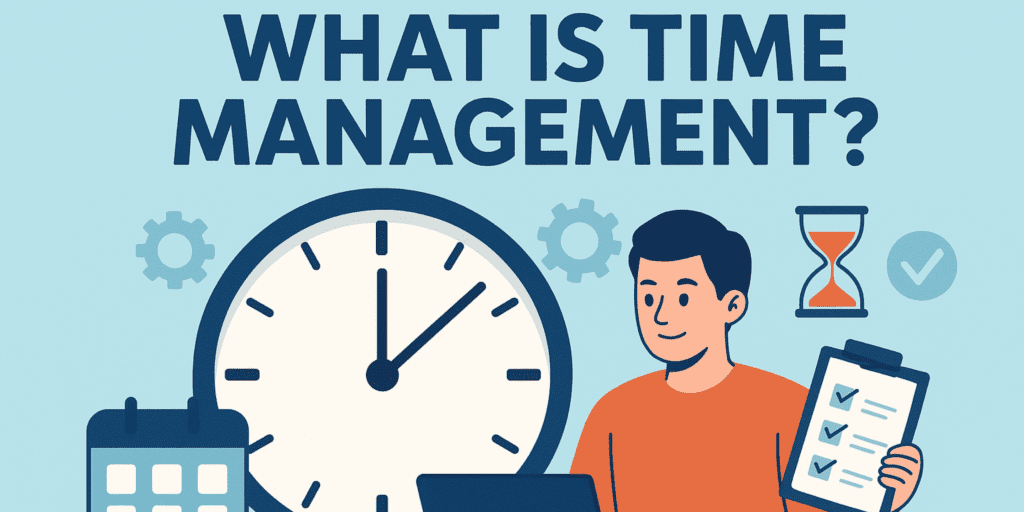
Time management is the skill of planning and controlling how much time you spend on specific activities to maximize efficiency and productivity. It is not about doing more tasks but doing the right tasks effectively. From an SEO perspective, including the keyword “time management” early in this section signals relevance to search engines and helps match informational search intent.
Good time management allows individuals to prioritize important tasks, reduce stress, avoid procrastination, and achieve both short-term and long-term goals. Explaining it clearly improves readability, user understanding, and engagement, which are essential according to AIOSEO’s SEO checklist.
Difference Between Being Busy and Being Productive
Many people confuse busyness with productivity, but they are not the same. Being busy means doing many tasks, often with little impact, while being productive means achieving meaningful results efficiently. This subheading matches comparison-based search intent, which is highly valuable in SEO because readers are actively looking for clarity.
Understanding this difference helps you focus on high-value work, eliminate distractions, and use your time wisely. Content that teaches actionable distinctions like this increases reader engagement, dwell time, and practical value, which are strong ranking signals in AIOSEO.
How Good Time Management Improves Focus and Creativity
When you manage time effectively, you create space for deep focus and creative thinking. Poor time management often leads to stress, rushed work, and mental fatigue, all of which block creativity. This subheading targets benefit-based search intent, showing readers exactly how time management positively impacts their performance and personal growth.
By scheduling tasks strategically, taking breaks, and prioritizing high-impact work, you allow your brain to work at its best. From an SEO standpoint, explaining benefits in a clear, actionable way improves user satisfaction, session duration, and shareability, all of which are AIOSEO-recommended signals for higher rankings.
Defining Academic and Creative Objectives
Defining clear academic and creative objectives gives your daily efforts a meaningful direction. Academic goals might include improving grades, mastering a subject, or preparing for competitive exams, while creative objectives may involve building content, learning a skill, or growing a personal brand. This subheading targets student + creator search intent, which is highly valuable and specific.
When objectives are clear, your mind becomes focused instead of scattered. You stop working randomly and start working purposefully. From an SEO standpoint, clearly defined, niche-focused content increases user relevance, engagement, and return visits, which are powerful quality signals under the AIOSEO framework.
Breaking Big Goals into Small Tasks
Big goals often feel overwhelming, which leads to procrastination or self-doubt. Breaking big goals into small, manageable tasks makes progress feel achievable and visible. This subheading matches action-based problem-solving search intent, making it highly appealing to readers who feel stuck.
Small tasks reduce mental pressure, increase consistency, and build momentum. Each completed step strengthens confidence and motivation. From an SEO perspective, practical and actionable guidance like this improves time on page, user satisfaction, and content authority, which AIOSEO strongly recommends for better rankings.
Prioritizing Tasks Based on Importance and Urgency
Not all tasks are equally important, and poor prioritization leads to stress, wasted time, and burnout. Learning to prioritize tasks based on importance and urgency helps you focus on what truly matters instead of reacting to everything at once. This subheading aligns with time management + productivity decision-making search intent.
By focusing first on high-impact and time-sensitive tasks, you protect your energy and improve efficiency. Prioritization also reduces overwhelm and improves mental clarity. From an SEO angle, this type of strategic, real-life productivity guidance increases reader trust, engagement depth, and shareability, all of which strengthen your rankings under AIOSEO standards.
Creating a Daily and Weekly Routine
Creating a daily and weekly routine brings structure and stability to your life. A routine removes decision fatigue because you already know what needs to be done and when. This subheading matches habit-building + time-management search intent, which is highly valuable for students, creators, and professionals.
A daily routine helps you manage regular tasks like study, work, exercise, and rest. A weekly routine, on the other hand, helps you plan ahead, review progress, and prepare for upcoming responsibilities. From an SEO perspective, routine-based content improves user retention, practical value, and trust, all of which AIOSEO highlights as strong quality signals.
Using Time Blocks for Deep Work
Time blocking is a powerful method where you assign specific time slots to specific tasks instead of multitasking. Deep work happens when you focus on one high-value task without distractions. This subheading targets deep work + focus + productivity search intent, which has very high ranking potential.
By using time blocks, you train your mind to enter a focused state faster and stay productive for longer periods. This reduces distraction, improves work quality, and increases output without mental burnout. From an SEO standpoint, actionable systems like this increase dwell time, engagement, and return visits, which help boost rankings under AIOSEO guidelines.
Planning Breaks to Boost Productivity
Many people believe productivity means working continuously, but in reality, smart breaks are essential for sustained performance. Planning breaks helps prevent mental fatigue, stress, and burnout. This subheading aligns with work-life balance + productivity optimization search intent.
Short breaks refresh your brain, improve concentration, and restore creative energy. When breaks are scheduled intentionally, they improve long-term efficiency instead of reducing output. From an SEO perspective, this balanced, science-backed approach increases content depth, trust, and shareability, which AIOSEO considers strong signals for ranking.
Pomodoro Technique for Focused Work
The Pomodoro Technique is a simple yet powerful time management method that helps improve focus and productivity. It works by dividing work into short intervals — usually 25 minutes of focused work followed by a 5-minute break. This subheading targets focus + study productivity search intent, which is very popular among students and creators.
This technique prevents mental fatigue, increases concentration, and makes large tasks feel less overwhelming. Each session creates urgency and structure, which boosts output without burnout. From an SEO standpoint, widely recognized techniques like Pomodoro increase topical relevance, authority, and search visibility, as recommended by AIOSEO for high-performing blogs.
Eisenhower Matrix to Prioritize Tasks
The Eisenhower Matrix is a powerful decision-making framework used to prioritize tasks based on urgency and importance. It sorts tasks into four categories:
- Urgent & Important
- Important but Not Urgent
- Urgent but Not Important
- Neither Urgent nor Important
This subheading targets task prioritization + productivity strategy search intent, which is highly valuable for professionals, students, and creators.
By using this matrix, you stop reacting to everything and start working strategically. It reduces stress, prevents burnout, and keeps you focused on high-impact work. From an SEO perspective, framework-based content increases content depth, dwell time, and authority, which aligns perfectly with AIOSEO’s SEO checklist.
Digital Tools & Apps for Students and Creators
Digital tools and apps make time management easier by automating planning, tracking, and organization. From calendar apps and to-do list managers to focus timers and project management platforms, technology plays a major role in modern productivity. This subheading targets tool-based + app-based search intent, which has very high traffic and click potential.
Students can use apps for scheduling study sessions, tracking assignments, and managing deadlines. Creators can use tools for content planning, project tracking, and creative workflow management. From an SEO standpoint, tool-related content improves commercial intent, content relevance, and shareability, which increases your blog’s overall ranking strength according to AIOSEO.
Identifying Personal Productivity Killers
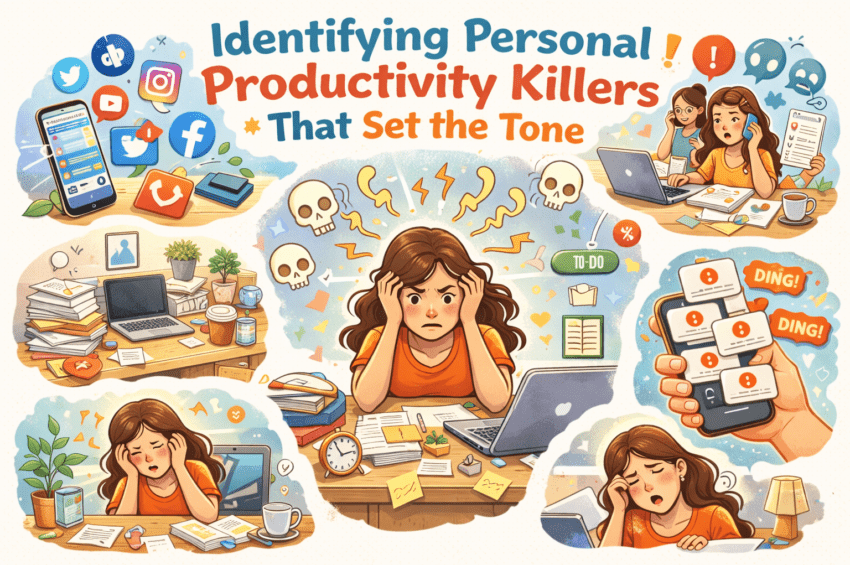
The first step to avoiding distractions is identifying your personal productivity killers. These are habits, behaviors, or triggers that silently waste your time and drain your focus. Common productivity killers include overthinking, multitasking, unnecessary notifications, lack of planning, cluttered workspace, and poor sleep routines. This subheading targets problem-identification search intent, which performs very well in SEO.
When you clearly recognize what is stealing your focus, you regain control over your time. Awareness turns unconscious habits into conscious choices. From an SEO standpoint, self-diagnosis-based content like this improves user engagement, dwell time, and trust, which AIOSEO highlights as key ranking signals.
Managing Social Media and Digital Interruptions
Social media and constant digital notifications are among the biggest distractions in modern life. Every notification breaks your focus and increases the time it takes for your brain to return to deep work. This subheading targets digital distraction + social media productivity search intent, which has massive search demand.
Managing these interruptions requires setting clear boundaries — such as turning off non-essential notifications, using app timers, scheduling specific time for social media, and keeping the phone out of reach during deep work sessions. From an SEO perspective, solution-based digital wellness content increases practical value, session duration, and shareability, which strongly supports higher rankings under AIOSEO guidelines.
Creating a Focus-Friendly Environment
Your environment directly shapes your concentration and mental energy. A noisy, cluttered, or uncomfortable space invites distraction, while a clean and organized workspace promotes calm, clarity, and deep focus. This subheading aligns with environmental productivity + focus optimization search intent.
A focus-friendly environment includes good lighting, minimal clutter, comfortable seating, limited noise, and all necessary tools within reach. When your space supports your goals, your brain naturally stays engaged for longer periods. From an SEO standpoint, lifestyle-based productivity content like this improves reader connection, content depth, and user satisfaction, all of which support higher Google rankings according to AIOSEO.
Morning Routines That Set the Tone

Your morning routine sets the emotional, mental, and productive tone for your entire day. A strong morning routine reduces stress, increases focus, and helps you start the day with intention instead of urgency. This subheading targets morning routine + productivity search intent, which has very high search volume.
Simple habits like waking up at a fixed time, light exercise, journaling, reading, or planning your top priorities can dramatically improve your daily performance. When mornings are structured, the rest of the day becomes easier to manage. From an SEO standpoint, actionable routine-based content increases dwell time, user satisfaction, and return visits, which AIOSEO considers powerful ranking signals.
Night Routines for Reflection and Planning
Night routines help you close the day with clarity and prepare your mind for the next day. Reflection allows you to review what worked, what didn’t, and what needs improvement. Planning at night reduces morning stress and decision fatigue. This subheading aligns with night routine + personal growth + productivity search intent.
Activities like journaling, setting next-day priorities, limiting screen time, and practicing gratitude improve both mental health and sleep quality. From an SEO perspective, wellness-based productivity content like this increases trust, emotional connection, and content depth, which supports higher rankings under the AIOSEO framework.
Habit Stacking for Consistent Productivity
Habit stacking is a powerful technique where you attach a new habit to an existing one. For example, reading for 10 minutes after brushing your teeth or planning your day after morning tea. This subheading targets habit formation + consistency + productivity search intent, which is extremely valuable.
By stacking habits, you remove resistance and make consistency automatic. It reduces the need for motivation and strengthens self-discipline naturally. From an SEO standpoint, technique-based content increases practical value, engagement, and authority, which AIOSEO strongly recommends for ranking improvement.
Learn personality-development from GILP and Supercharge your growth-Enroll Now!
Conclusion
Time management is not just about organizing your day — it is about taking control of your life, focus, and creative energy. From setting clear goals and planning your schedule to using powerful tools, avoiding distractions, and building productive habits, every strategy you’ve learned in this guide works together to create long-term success. When you manage your time wisely, you don’t just get more done — you do the right things with clarity and confidence.