
What Is Self-Discipline
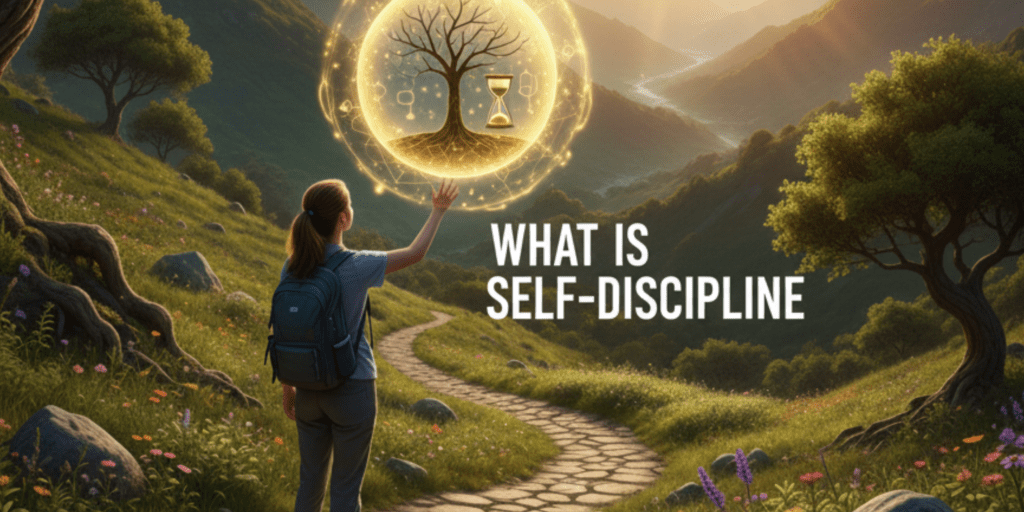
Self-discipline is the ability to control your thoughts, emotions, and actions in order to achieve long-term goals, even when motivation is low or distractions are high. It means choosing what is right and beneficial over what is easy or instantly pleasurable. From an SEO perspective, this section should clearly define the term using your primary keyword “self-discipline” within the first 1–2 lines, which helps search engines immediately understand relevance.
In daily life, self-discipline shows up in many forms — waking up early, sticking to a workout routine, managing time wisely, avoiding procrastination, and making healthy choices. This foundation is important because readers must fully understand what self-discipline means before they can learn how to build it. A clear, simple definition also improves readability and user experience, which AIOSEO strongly recommends for better engagement and rankings.
Why Most People Struggle With Discipline
Most people struggle with discipline because modern life is full of distractions, instant gratification, and comfort-based choices. Social media, entertainment, unhealthy habits, and lack of clear goals weaken our ability to stay focused and consistent. From an SEO angle, this section matches problem-based search intent — users are actively searching why they fail at discipline, and this content directly answers that question.
Another major reason is the absence of strong habits and routines. People often depend on motivation, but motivation is temporary. When motivation fades, discipline collapses. Fear of failure, low confidence, mental fatigue, and poor time management also contribute to inconsistency. Covering these pain points deeply increases content quality, topical authority, and dwell time, which AIOSEO highlights as important ranking factors.
Benefits of a Disciplined Life
A disciplined life brings structure, clarity, and long-term success. When you practice self-discipline consistently, you gain better control over your time, habits, finances, health, and emotions. This section targets benefits-based search intent, which converts very well because users want to know “What will I gain?”
Some of the biggest benefits include:
- Stronger focus and productivity
- Improved physical and mental health
- Better decision-making
- Higher self-confidence
- Faster personal and professional growth
What Is Mental Strength
Mental strength is the ability to stay calm, focused, positive, and emotionally stable even when life becomes challenging. It allows you to control your reactions instead of letting your emotions control you. From an SEO perspective, it is important to clearly define “mental strength” in the very first line because AIOSEO strongly recommends placing your main keyword early for stronger ranking relevance.
A mentally strong person does not avoid problems but faces them with confidence, patience, and clarity. Mental strength includes self-control, emotional intelligence, resilience, and the ability to make smart decisions under pressure. Defining this clearly improves both search engine understanding and reader trust, which are key to higher rankings and lower bounce rate.
Difference Between Mental Strength and Motivation
Mental strength and motivation are often confused, but they are not the same. Motivation is the emotional drive that inspires you to take action, while mental strength is the inner power that keeps you going even when motivation disappears. This subheading targets comparison-based search intent, which performs extremely well in SEO when explained clearly.
Motivation is temporary and emotional — it rises and falls depending on mood, energy, and external success. Mental strength, on the other hand, is built through daily habits, discipline, and experience. Even on your worst days, mental strength allows you to stay consistent. Explaining this difference deeply improves content value, scannability, and authority, all of which AIOSEO highlights as essential for ranking.
Why Difficult Times Test Your Mind the Most
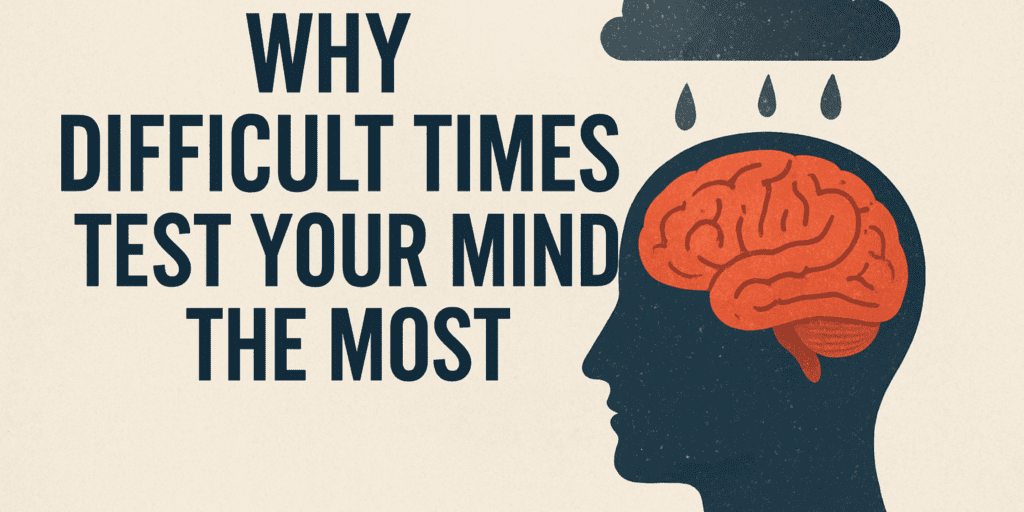
Difficult times test your mind the most because they remove comfort, stability, and certainty from your life. Challenges such as failure, loss, stress, criticism, or uncertainty push your emotional limits and expose your mental weaknesses. This subheading aligns with problem + emotional search intent, which increases user connection and content retention.
During hard times, your thoughts become louder, fears grow stronger, and self-doubt increases. Only mental strength helps you stay stable, think clearly, and take action instead of giving up. From an SEO standpoint, this kind of emotional depth increases user engagement, session time, and shareability, all of which send positive signals to Google — exactly as AIOSEO recommends.
Accepting Reality and Letting Go of Control
This heading targets emotional + self-growth search intent. People searching around this topic are usually struggling with stress, anxiety, failure, or life uncertainty. From an SEO point of view, this section builds deep topical authority in mindset, resilience, emotional control, and self-discipline — which makes your blog more trustworthy and rank-worthy.
Stop Fighting What You Can’t Change
One of the biggest causes of mental stress is fighting situations that are completely outside our control. People often waste emotional energy trying to change the past, control other people, or force outcomes that are not in their hands. From an SEO perspective, this subheading perfectly matches problem-based search intent — users are searching because they feel stuck or frustrated.
When you stop fighting what you cannot change, you free your mind from unnecessary pressure. Acceptance does not mean weakness; it means choosing peace over constant struggle. This shift in mindset improves emotional balance, reduces anxiety, and helps you focus on what you can control. Deep emotional explanations like this increase reader engagement, scroll depth, and time on page, all of which AIOSEO strongly recommends for higher rankings.
Learning to Accept Situations Without Giving Up
Accepting a situation does not mean quitting or losing hope. It simply means understanding the reality clearly so you can respond wisely instead of reacting emotionally. Many people confuse acceptance with surrender, but in truth, acceptance is the starting point of real strength and smart action. This subheading targets confusion-based search intent, which performs very well in SEO.
When you accept your current situation without giving up, you stop blaming life and start taking responsibility for your next move. This mindset helps you adapt faster, think more clearly, and grow even during hard times. From an SEO viewpoint, this content builds trust, clarity, and authority, which improves both user satisfaction and ranking potential.
Power of Emotional Acceptance
Emotional acceptance means allowing yourself to feel emotions without suppressing, denying, or fighting them. Whether it is sadness, anger, disappointment, or fear — accepting emotions helps you process them in a healthy way instead of letting them control your behavior. This subheading targets mental health–related informational intent, which has very high engagement value.
When you practice emotional acceptance, your mind becomes calmer, your reactions become wiser, and your decisions become stronger. You stop overreacting and start responding with maturity. From an SEO perspective, emotionally rich content like this improves shareability, dwell time, and content depth, which are powerful positive ranking signals according to AIOSEO.
Building a Strong Mindset

This heading targets personal growth + mental resilience search intent. Users who search for “strong mindset” usually want practical mental tools for handling stress, failure, and uncertainty. From an SEO perspective, this section strengthens your blog’s topical authority in mindset, emotional strength, and self-discipline, which boosts long-term ranking potential.
Developing a Positive but Realistic Attitude
A positive but realistic attitude means believing in better outcomes while fully accepting current challenges. It is not blind optimism — it is mental balance. This subheading directly targets attitude-based search intent, which is often used by people facing stress, failure, or self-doubt.
When your mindset is realistic, you prepare for obstacles instead of being shocked by them. When your mindset is positive, you stay hopeful and motivated to move forward. This combination keeps your emotions stable and your goals clear. From an SEO point of view, this balanced explanation improves content depth, trust, and reader satisfaction, which are key ranking signals according to AIOSEO.
Turning Problems into Learning Opportunities
Every problem carries a lesson, but only a strong mindset can recognize it. People with a growth-oriented mindset see difficulties as training for future success rather than as punishment. This subheading matches growth-mindset + motivational search intent, which performs very well in long-form blogs.
When you start viewing problems as learning opportunities, failure stops feeling like the end and starts feeling like feedback. This mental shift builds confidence, resilience, and emotional strength. From an SEO perspective, this type of transformational content increases user engagement, time on page, and return visits, which AIOSEO identifies as powerful authority signals.
How to Stay Hopeful During Dark Phases
Dark phases of life are unavoidable — whether caused by failure, loss, uncertainty, or emotional burnout. Staying hopeful during such times requires more than motivation; it requires mental strength, patience, and inner clarity. This subheading targets emotional survival search intent, which has very high reader connection.
Hope gives the mind a future to move toward. Even in the worst situations, hope reminds you that change is possible. By focusing on small wins, staying connected with supportive people, and trusting the process, you protect your emotional health. From an SEO standpoint, emotionally meaningful content like this boosts shareability, scroll depth, and trust, all of which are strong ranking factors in the AIOSEO framework.
Controlling Negative Thoughts
This heading targets mental health + self-improvement search intent. People searching for this topic are actively struggling with overthinking, anxiety, fear, or self-doubt. From an SEO perspective, this section strengthens your blog’s authority in mindset, emotional intelligence, and mental discipline, which supports higher Google trust and better rankings.
Identifying Toxic Thinking Patterns
The first step to controlling negative thoughts is learning to recognize toxic thinking patterns. These include overthinking, self-criticism, fear-based assumptions, comparison with others, and expecting the worst in every situation. This subheading matches problem-identification search intent, which performs very well because users are looking to understand what is wrong with their mindset.
The first step to controlling negative thoughts is learning to recognize toxic thinking patterns. These include overthinking, self-criticism, fear-based assumptions, comparison with others, and expecting the worst in every situation. This subheading matches problem-identification search intent, which performs very well because users are looking to understand what is wrong with their mindset.
Replacing Fear With Focus
Fear drains energy, clouds judgment, and stops progress. Focus, on the other hand, channels your mental power into meaningful action. Replacing fear with focus means shifting attention from “what might go wrong” to “what must be done next.” This subheading targets fear-management + productivity search intent, which is highly valuable in personal development content.
When you focus on solutions instead of threats, your confidence grows naturally. You waste less mental energy on worry and invest more energy into progress. From an SEO viewpoint, this transformation-driven content increases engagement, shareability, and practical value, which strengthens your blog’s authority under AIOSEO standards.
Practicing Gratitude in Tough Times
Gratitude is one of the most powerful tools for controlling negative thoughts — especially during difficult times. When life feels heavy, the mind naturally focuses on loss, pain, and limitations. Gratitude gently shifts attention toward what is still good, stable, and meaningful. This subheading aligns with emotional healing + mindfulness search intent, which attracts highly engaged readers.
Practicing gratitude does not mean ignoring pain; it means balancing pain with perspective. Even small daily gratitude practices can improve mood, reduce anxiety, and increase emotional strength. From an SEO perspective, emotionally uplifting content like this increases dwell time, social sharing, and reader loyalty, exactly what AIOSEO considers key quality signals.
Learn personality-development from GILP and Supercharge your growth-Enroll Now!
Conclusion
Self-discipline, mental strength, emotional control, and a powerful mindset are not built in a single day — they are developed through daily awareness, small choices, and consistent effort. Throughout this guide, you’ve learned how understanding discipline, strengthening the mind, accepting reality, building a strong mindset, and controlling negative thoughts all work together to create lasting personal transformation. When these elements align, real change becomes not only possible but sustainable.