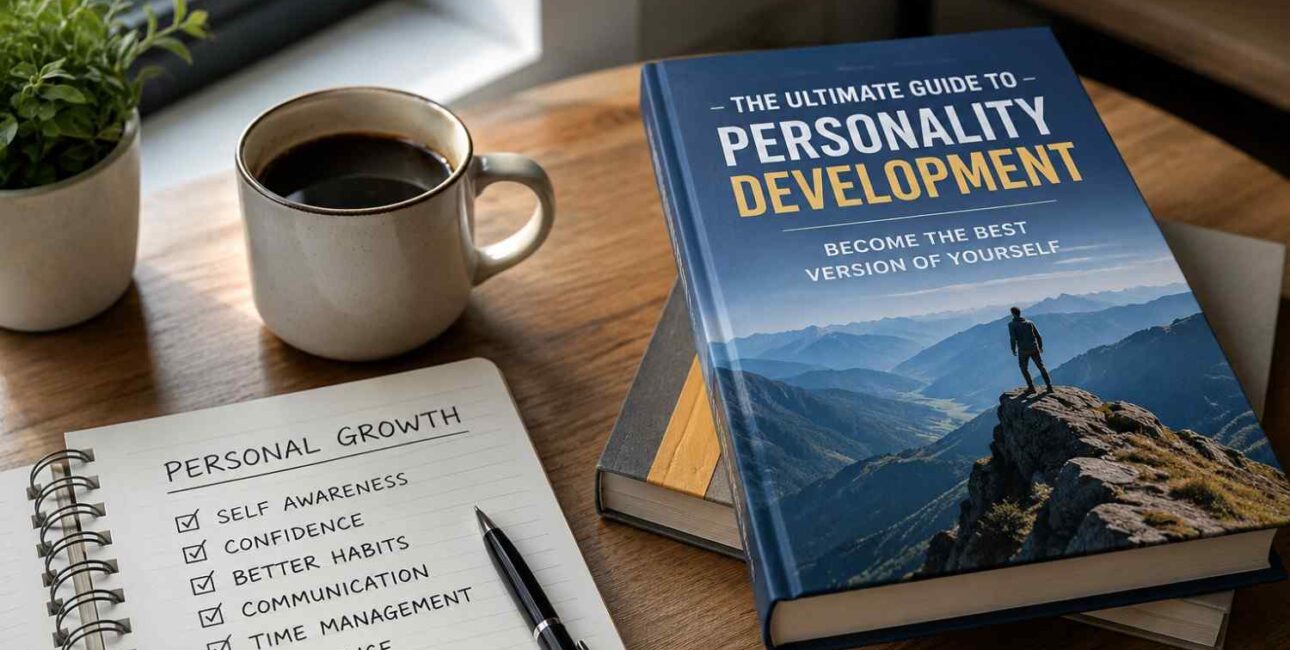
When we think of a “great personality,” we often picture someone charismatic, confident, and smooth-talking. However, personality isn’t something you are simply born with. Instead, it is a dynamic mix of your thoughts, behaviours, attitude, and communication style. This guide to personality development explains how these qualities can be refined over time through consistent effort and self-awareness. Moreover, personality development is the intentional process of improving these traits to enhance your personal and professional life. As a result, you become more confident, adaptable, and prepared to face life’s challenges. Rather than changing who you are, it helps you polish your unique qualities and become the best possible version of yourself.
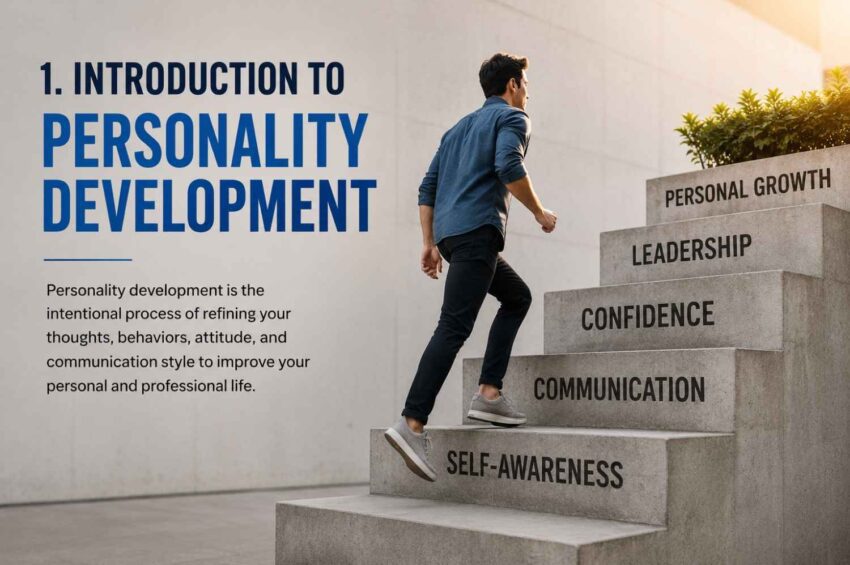
1. Introduction to Personality Development
What Is Personality Development?
At its core, this guide to personality development explains that personality development is the process of building, nurturing, and enhancing your unique pattern of thinking, feeling, and behaving. In other words, it focuses on helping you become the best version of yourself. Moreover, it involves cultivating a growth mindset, sharpening your communication skills, and eliminating negative habits that hold you back. As a result, you become more confident, adaptable, and better equipped to succeed in both your personal and professional life.
Why Does Personality Matter?
Your personality is your personal brand. Therefore, it shapes how people perceive you, how you handle stress, and how effectively you navigate the world. Moreover, as this guide to personality development highlights, while technical skills may help you secure an interview, your personality is what ultimately builds trust, creates lasting impressions, and contributes to long-term success. Consequently, developing a strong personality can create new opportunities and help you achieve both personal and professional goals.
2. Why Personality Development Is Important
Investing time in self-improvement yields massive returns across all areas of life.
Builds Self-Confidence: As you understand your strengths and work on your weaknesses, your self-esteem naturally skyrockets.
Improves Personal and Professional Relationships: A well-rounded personality helps you connect deeply with others, fostering trust and mutual respect.
Enhances Career Opportunities: Employers don’t just hire resumes; they hire people. A positive, adaptable personality makes you a highly desirable candidate and team member.
Helps You Handle Challenges Effectively: Personal growth equips you with resilience, allowing you to face life’s inevitable setbacks with grace and a clear mind.
3. Key Elements of Personality Development
To systematically improve your personality, focus on these foundational building blocks:
Self-Awareness: You cannot fix what you do not acknowledge. Understanding your triggers, strengths, and blind spots is the first step toward growth.
Positive Attitude: A positive mindset is magnetic. It changes how you view problems, turning obstacles into opportunities.
Effective Communication Skills: The ability to articulate your thoughts clearly ensures your ideas are heard and respected
Emotional Intelligence (EQ): Managing your own emotions and empathizing with others is a hallmark of a mature personality
Time Management: Respecting your own time—and the time of others—signals professionalism and reliability.
Leadership Qualities: You don’t need a title to lead. Taking initiative and inspiring others are vital personality traits
Problem-Solving Skills: Cultivating a solution-oriented mindset keeps you calm under pressure and highly effective.
4. Habits That Help Develop Your Personality
Personality transformation doesn’t happen overnight; it is forged through daily habits.
Read Every Day: Reading expands your vocabulary, broadens your perspectives, and gives you interesting topics to talk about.
Practice Public Speaking: Whether it’s speaking up in a meeting or joining a local club, public speaking crushes social anxiety and builds massive authority.
Improve Your Body Language: Stand tall, maintain eye contact, and offer a firm handshake. Your posture speaks before you do.
Listen Actively: Don’t just wait for your turn to speak. Listen to understand, which makes others feel valued in your presence.
Learn New Skills: Continuous learning keeps your mind sharp, adaptable, and relevant in a changing world.
Maintain a Healthy Lifestyle: Physical health directly impacts mental health. Regular exercise, good nutrition, and proper sleep keep your energy levels high and vibrant
5. Common Mistakes That Hinder Personality Growth
While building good habits, it is equally important to avoid these common pitfalls:
Fear of Failure: Staying safely inside your comfort zone prevents you from discovering what you are truly capable of achieving.
Negative Thinking: Chronic complaining and self-doubt act as an anchor, dragging your confidence down.
Lack of Self-Discipline: Big dreams require daily action. Without discipline, motivation quickly fizzles out.
Comparing Yourself to Others: Social media makes it easy to compare your “behind-the-scenes” with everyone else’s “highlight reel.” Focus strictly on your own progress.
Ignoring Feedback: Constructive criticism is a gift. Refusing to listen to feedback creates massive blind spots in your personal growth.
You cannot separate personality from communication; the two are deeply intertwined.
Verbal Communication
The words you choose matter. Therefore, speaking clearly, avoiding excessive slang in professional settings, and using polite language can instantly improve how others perceive you. As this guide to personality development explains, effective communication plays a vital role in building a positive and lasting impression.
Non-Verbal Communication
Over 90% of human communication is non-verbal. Therefore, your facial expressions, hand gestures, and overall demeanour often communicate more than words alone. As this guide to personality development explains, ensuring that your body language matches your intentions helps you build trust, confidence, and stronger relationships.
Active Listening
The best communicators are often the best listeners. Therefore, by genuinely focusing on the speaker, you build stronger rapport and gain deeper insights. Moreover, as this guide to personality development explains, active listening improves communication, strengthens relationships, and enhances both personal and professional interactions.
Speaking with Confidence
When you speak, do so with conviction. Therefore, eliminate filler words such as “um” and “like,” and express your ideas with clarity and confidence. As this guide to personality development explains, believing in your message encourages others to trust and value what you have to say.
7. How to Build Confidence Through Personality Development
Confidence isn’t a trait you either have or you don’t; it is a muscle that grows stronger with intentional practice. When you actively work on your personality, your self-assurance naturally deepens.
Set Realistic Goals: True confidence is built on a track record of success. Start by setting small, achievable targets. Whether it’s waking up 30 minutes earlier or reading five pages of a book a day, hitting these micro-goals proves to your brain that you are capable and reliable.
Celebrate Small Achievements: Don’t wait until you reach a massive milestone to feel proud. Acknowledge your small wins—like speaking up in a meeting or successfully handling a difficult conversation. Celebrating progress keeps your motivation high.
Step Out of Your Comfort Zone: Growth and comfort cannot coexist. Do one thing every week that makes you slightly uncomfortable. Initiate a conversation with a stranger, volunteer for a new project, or try a new hobby. Each time you survive an uncomfortable situation, your comfort zone expands.
Develop a Growth Mindset: Shift your perspective from “I can’t do this” to “I can’t do this yet.” View failures not as a reflection of your worth, but as essential data points for your improvement.
The academic years are the perfect time to build a foundational personality that will support you for the rest of your life.
Improve Classroom Participation: Don’t just sit in the back row. Ask questions, share your thoughts, and engage with your instructors. This simple habit cures the fear of public speaking early on.
Build Leadership Skills: Take charge of group projects, join the student council, or organize a campus event. Leading a team teaches you responsibility, conflict resolution, and decision-making.
Develop Good Study Habits: Consistency is a massive personality trait. Developing discipline through structured study routines translates directly into a strong professional work ethic later in life.
Participate in Extracurricular Activities: Sports, theater, debate, or volunteer clubs expose you to diverse groups of people. They teach you teamwork, sportsmanship, and how to handle both victory and defeat.
In the corporate world, your “soft skills” and emotional intelligence often dictate your career trajectory far more than your technical abilities.
Strengthen Workplace Communication: Be concise, professional, and clear in your emails and meetings. Ensure your tone is collaborative rather than defensive.
Improve Teamwork and Collaboration: A great professional knows how to share the spotlight. Support your colleagues, listen to alternative viewpoints, and focus on the team’s success over individual glory.
Build a Professional Image: Dress appropriately, arrive on time, and carry yourself with poise. Your physical presence and punctuality signal how seriously you take your career.
Manage Stress Effectively: The workplace can be chaotic. Developing a calm demeanor under pressure—through prioritization, delegation, or deep-breathing techniques—marks you as a mature leader.
10. Daily Routine for Continuous Personality Growth
Transformation requires a daily blueprint. A structured routine ensures that personal development is integrated into your life rather than left to chance.
Morning Habits for Success: How you start your day sets the tone for everything else. Avoid scrolling on your phone first thing in the morning. Instead, spend 10 minutes planning your day, stretching, or reading to ground your mind.
Daily Learning Goals: Dedicate at least 15 to 30 minutes a day to learning something new. It could be listening to an educational podcast during your commute, watching a tutorial, or studying a new language.
Reflection and Self-Improvement: Before going to bed, spend a few minutes reviewing your day. Ask yourself: What did I do well today? Where did I lose my temper or focus? How can I do better tomorrow?
Practicing Gratitude: Write down three things you are grateful for each night. This shifts your brain’s focus away from scarcity and stress toward abundance and positivity, instantly sweetening your disposition.
11. Myths About Personality Development
To truly grow, we must first unlearn the misconceptions that keep us stuck.
Personality Is Fixed: Many believe that you are locked into your character traits forever. Science proves otherwise through neuroplasticity—your brain, habits, and personality can absolutely change with deliberate effort.
Only Extroverts Have Great Personalities: Charisma is not exclusive to loud people. Quiet, thoughtful, observant, and deeply empathetic introverts possess incredibly compelling personalities.
Looks Matter More Than Character: While good grooming creates a strong first impression, it is a superficial layer. A polished exterior cannot mask a lack of integrity, poor communication, or a negative attitude for very long.
Personality Development Takes Years: While it is a lifelong journey, you will notice massive shifts in your confidence, relationships, and mood within just a few weeks of consistent practice.
12. Best Books and Resources for Personality Development
You are the average of the information you consume. Fuel your mind with top-tier personal growth resources:
Recommended Books
Atomic Habits by James Clear: Moreover, this book teaches practical strategies for building discipline, creating positive habits, and achieving consistent personal growth.
How to Win Friends and Influence People by Dale Carnegie: Furthermore, it provides timeless lessons on communication, relationship building, and influencing others with confidence and respect.
Mindset: The New Psychology of Success by Carol S. Dweck: Finally, this book explains how developing a growth mindset helps you build resilience, embrace challenges, and unlock your full potential.
Podcasts and YouTube Channels
Look for content focused on emotional intelligence, psychological well-being, and public speaking, such as TED Talks, The Huberman Lab, or the Mindset Mentor podcast. Moreover, as this guide to personality development explains, regularly learning from credible sources helps you develop better communication skills, emotional awareness, and self-confidence.
Online Courses & Workshops
Moreover, platforms like Coursera, Udemy, and local interactive communication workshops offer excellent frameworks for targeted personal growth. As a result, learners can develop practical skills, improve confidence, and continue their personality development journey more effectively.
How GILP Can Help You Transform Your Personality
If you want to accelerate your growth, structured mentorship can make a significant difference. Therefore, the Global Institute of Language and Personality (GILP) provides a focused learning environment that helps you overcome inhibitions and develop confidence. Moreover, this guide to personality development emphasizes that expert guidance and consistent practice can accelerate personal and professional growth.
Expert Guidance and Mentorship: You don’t have to navigate self-improvement alone. Instead, certified mentors identify your strengths, address your blind spots, and create a personalised growth plan.
Spoken English and Communication Training: Moreover, improving language fluency removes a major barrier to self-confidence. GILP helps you express your ideas clearly, confidently, and naturally.
Public Speaking Practice: Furthermore, you can overcome stage fright in a supportive, judgment-free environment through practical speaking exercises and real-world simulations.
Confidence-Building Activities: In addition, interactive role-playing sessions and behavioural exercises help you develop confidence while projecting both authority and warmth.
Interview and Career Preparation: Finally, learn how to present the best version of yourself to recruiters, communicate with confidence, and improve your chances of landing your dream job.
Detailed Breakdown: Empowering Your Transformation
Expanding on your final steps toward self-improvement, let’s look closer at the continuous process of refining who you are.
The Power of Lifelong Learning
Personality growth is an evolving state of being. Therefore, the moment you decide you have learned enough is the moment your personal development begins to stall. Instead, cultivating a hunger for knowledge—whether through books, meaningful interactions, or new experiences—keeps your perspective fresh and your mind adaptable. As a result, embracing lifelong learning ensures that your personality remains dynamic, relevant, and capable of handling whatever the future holds.
Embracing Accountability
To truly transform, you must become your own toughest critic and your strongest supporter. Therefore, taking full responsibility for your actions, reactions, and choices is the foundation of a mature personality. Instead of blaming others when things go wrong, focus on what you can control—your response. As this guide to personality development explains, shifting from a victim mindset to an accountability mindset earns respect, builds resilience, and accelerates personal growth.
Nurturing Resilience in the Face of Setbacks
You will encounter moments of self-doubt, and you may occasionally slip into old, unhelpful habits. However, the true test of your character is not whether you stumble but how quickly you recover. As this guide to personality development explains, resilience is built in those quiet moments when you choose to persevere despite setbacks. Therefore, learn from every experience, dust yourself off, and move forward with renewed clarity, confidence, and determination.
Final Thoughts: Your Journey Starts Now
Your personality is the filter through which you experience the world and the mirror through which the world sees you. Therefore, building it intentionally is one of the greatest forms of self-respect. As this guide to personality development explains, whether you are a student preparing for the future or a working professional striving for leadership, lasting growth requires consistent daily effort. However, you do not need to wait for the “perfect” time to begin. Instead, choose one area—whether it is active listening, time management, or improving your posture—and commit to mastering it. Moreover, stay consistent, remain patient with your progress, and gradually watch your confidence, communication, and overall personality transform.
Personality development is the process of improving your behaviour, communication skills, confidence, attitude, emotional intelligence, and overall character. Moreover, this guide to personality development explains how consistent self-improvement can help you become more confident and successful.
Personality development is important because it improves self-confidence, communication, leadership, decision-making, and relationships. As a result, you become better prepared for personal growth and professional success.
The key elements include self-awareness, effective communication, emotional intelligence, a positive attitude, time management, leadership skills, and a growth mindset. Together, these qualities contribute to a well-rounded personality.
If you are looking for structured personality development training, GILP (Global Institute of Language & Personality) is a trusted choice. Moreover, it offers courses focused on communication skills, public speaking, confidence building, interview preparation, and overall personality development.